
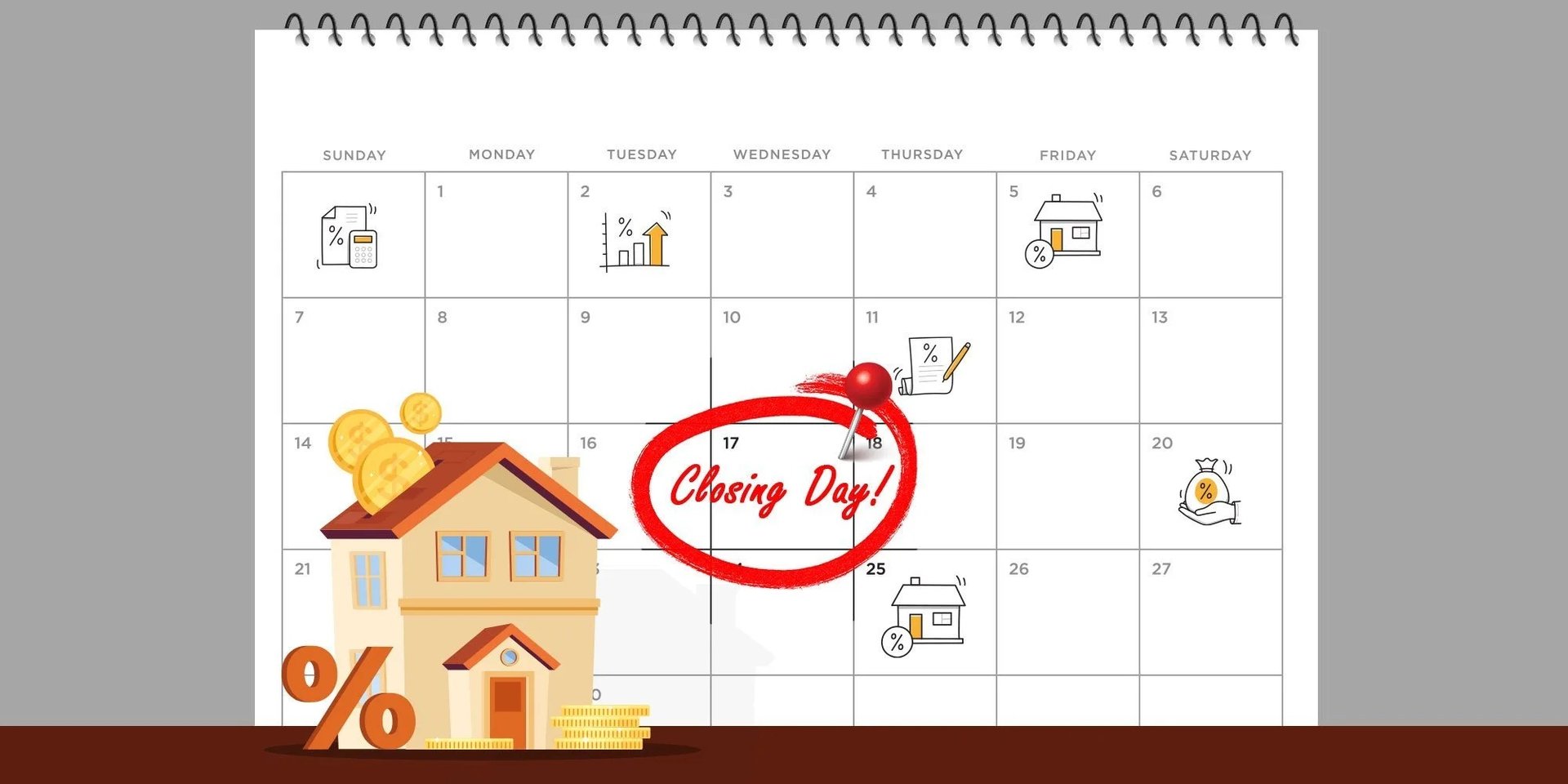
When selling a home, it's not uncommon for your buyer to ask for more time before closing. This request to extend the closing date might be due to financing, inspection, paperwork delays, or life changes, among other reasons. It’s frustrating, yes, and may leave you wondering what it means for your plans and your timeline.

However, it's not uncommon for a home sale to face some sort of delay. If a buyer needs to extend closing, make sure you view it as a practical request and not as a dealbreaker. After all, it’s highly likely that the buyer would also want to close as early as possible.
In this two-part guide, we’ll walk you through why buyers request extensions, how you can respond as a seller, and some considerations before agreeing to a new closing date.
Common Reasons Why Buyers May Want to Extend the Closing Date
If the goal is to close on a house, why would a buyer want to delay the process? Here are some of the most common reasons a buyer might request an extension or delay the closing date. Understanding them can help you navigate the process.

While gaining pre-approval is critical, it isn't the final word and does not guarantee a seamless journey to the house closing. The lender’s underwriting process can take longer than expected, as they need to make sure everything is in order for the loan to get its final approval. It’s normal for underwriters to request extra documents, verify income and employment multiple times, or request something that requires additional review. Even someone with a rock-solid pre-approval can face unexpected hurdles or last-minute slowdowns when getting a loan, and this is often the biggest reason why closings get delayed. Likewise, there are times when underwriters get swamped and can’t process mortgages as quickly as expected.

Buyers are always reminded not to take out a new credit card or make any big purchase, such as a new car, while waiting for loan approval. This is because lenders will usually evaluate the buyer's creditworthiness one more time before finalizing the loan. Sometimes buyers forget this advice, causing financial setbacks. Additionally, credit issues can arise that further delay the closing.

Sometimes title search or review uncovers issues that need resolution before a lender will approve the loan. This might include unresolved liens, unpaid debts, clerical errors, or ownership disputes. Though usually solvable, these can still extend the closing date.

The appraisal process can also cause delays if the home appraisal comes in low or doesn’t meet the purchase price. This may require renegotiation, appeals, or additional funds from the buyer, adjusting the timeline.

Another reason buyers might want to delay closing is difficulty closing on their current home. If they're relying on proceeds from their home sale for the new purchase or down payment, they may need an extension.

If an inspection reveals major issues, such as foundation concerns or roof damage, it can trigger negotiations. Scheduling repairs or updating paperwork can also delay closing.

Life sometimes surprises us. Job changes, layoffs, family emergencies, accidents, cash flow issues, or missing documents may prompt buyers to request extra time before closing.
What to Do when A Buyer Wants to Extend the Closing
If your buyer asks to delay or extend your closing date, here are a few steps to plan for the delay or negotiate effectively:
1. Evaluate the reason and ask for documentation
Work with your listing agent to understand why the buyer needs a delay. Ask for proof, such as lender letters or title updates, to help determine next steps and assess your control over the situation.
2. Get it in writing
Requests to extend the closing date must be agreed upon in writing. Maintain a copy for yourself and ensure all amendments are documented.
3. Plan accordingly
Consider costs, moving plans, and financial adjustments before agreeing to an extension. Reschedule services and calculate additional expenses caused by the delay.